Blood Armor · Global Wellness Guide
Meal Planning for Blood Sugar: Balanced Meals and Practical Choices
Understand blood sugar meal planning through practical guidance, evidence boundaries and informed wellness choices. Explore Blood Armor buying information separately from clinical research claims.
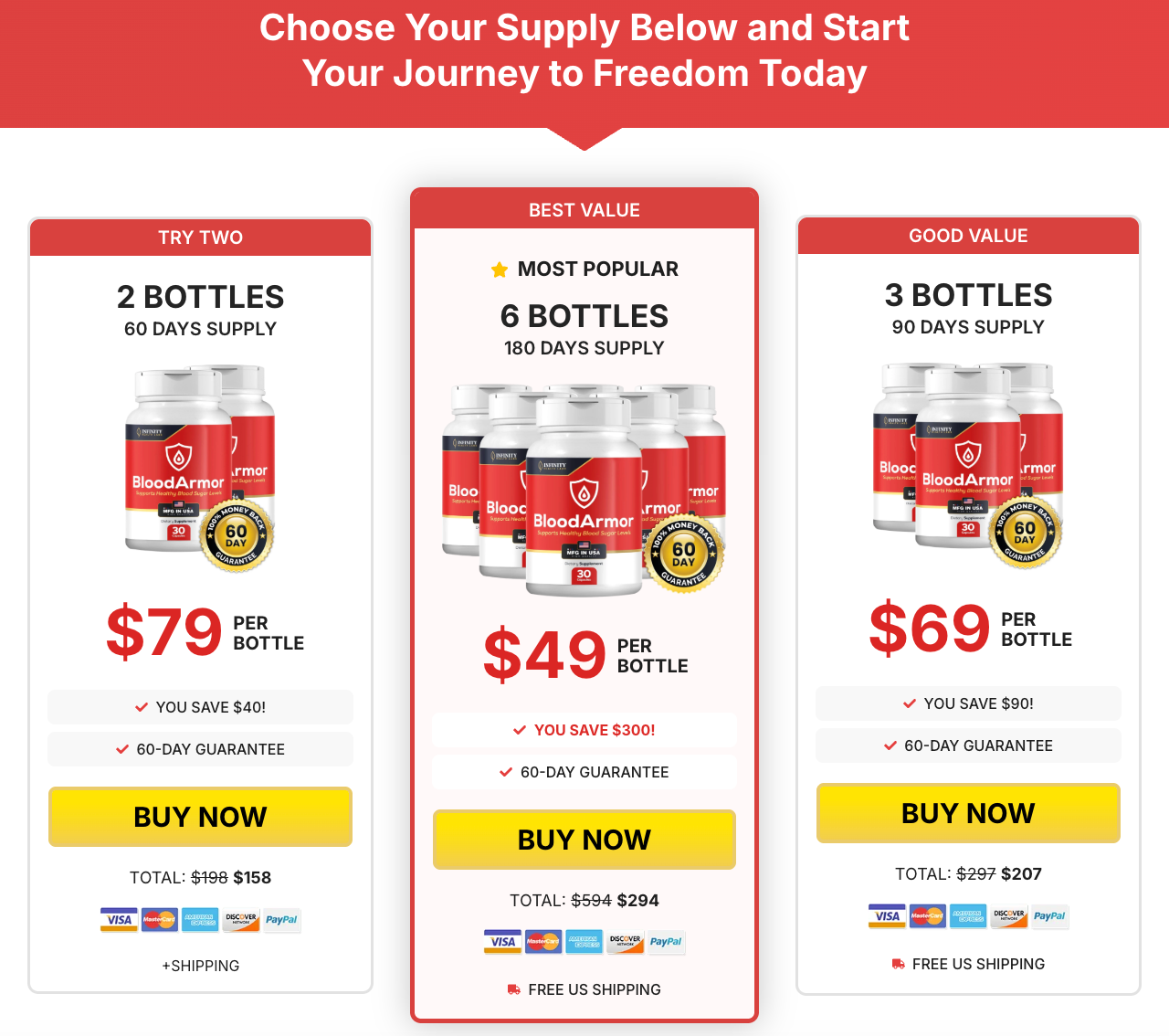
Blood Armor · Purchase Options
Review Blood Armor Purchase Options
Compare advertised bottle packages, then review the merchant checkout for current pricing, shipping and refund conditions.
CHECK CURRENT OFFER ↗Affiliate link · Pricing and guarantee wording shown in artwork are merchant advertising and require checkout confirmation.



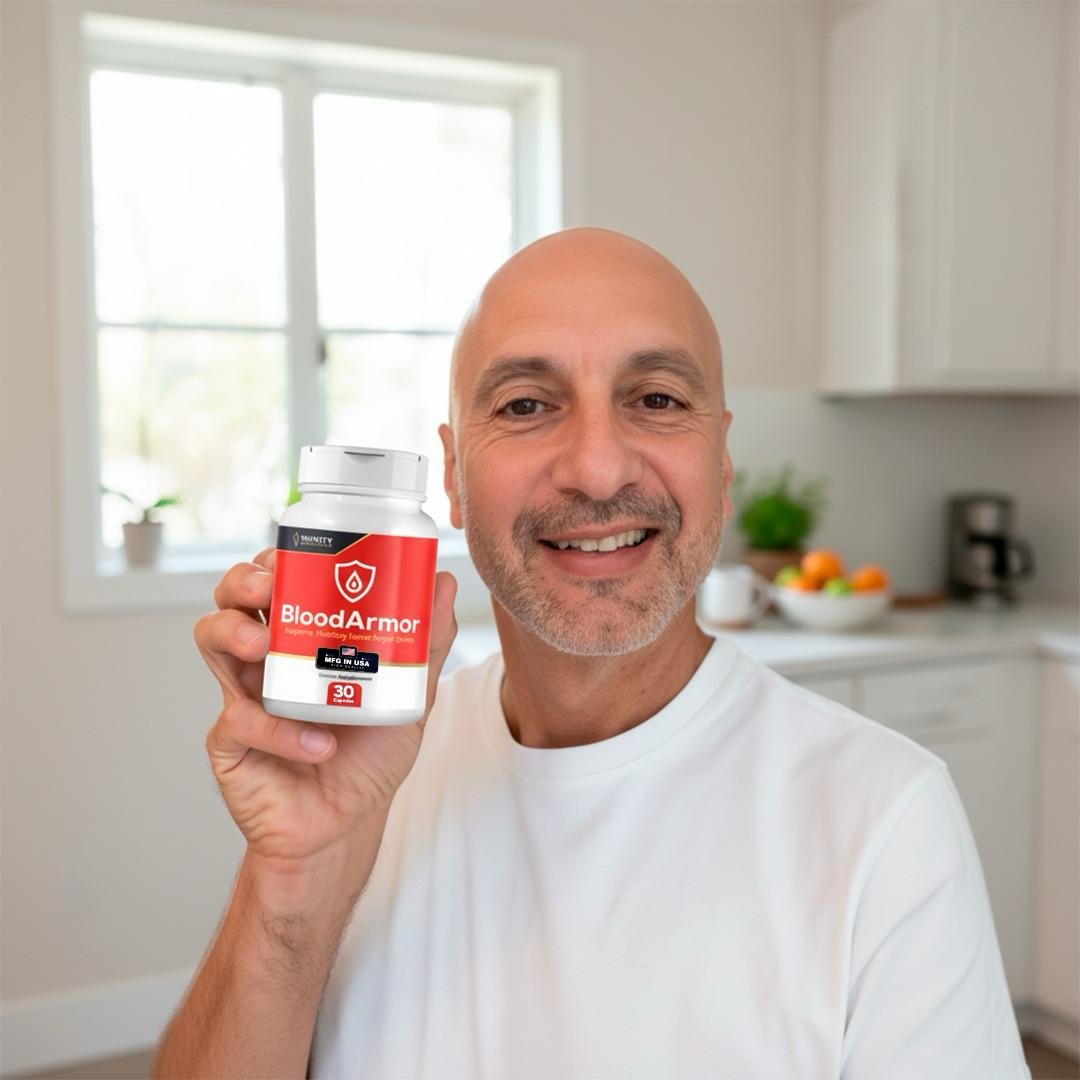
Promotional photographs supplied with the product assets. People pictured are not presented as verified customers or clinical participants.




Build a balanced plate rather than chasing a single miracle food
A useful meal plan considers carbohydrate amount and quality, fiber, protein, and foods a person can sustain. The plate method is one practical starting point: include nonstarchy vegetables, suitable protein, and a portion of carbohydrate foods while adjusting to individual nutritional requirements. A meal is not inherently healthy simply because its packaging says low sugar. Its overall composition, portion size, and preparation all matter. People with diabetes should coordinate major changes with their clinical team when medication doses may need adjustment.
When assessing a recommendation, ask what the original source actually measured and whether it applies to your own circumstances. A plausible explanation is useful context, but it does not establish a predictable result for everyone. Focus on choices that can be evaluated and maintained over time.
Understand carbohydrate quantity and quality
Carbohydrate-containing foods include grains, fruits, milk, legumes, and starchy vegetables. These foods can have quite different amounts of fiber and added sugar. Comparing actual portions and the carbohydrate amount on packaged-food labels is more useful than classifying entire food groups as forbidden. Whole grains and pulses may help make a meal satisfying, but a large portion can still contribute substantial carbohydrate. Personal glucose responses vary and cannot be reliably predicted from a universal food ranking.
The practical decision is to compare relevant options fairly and recognize the limits of generalized advice. If a decision could affect an existing diagnosis, medication or measured glucose goal, discuss it with the clinical team responsible for that care.
Use fiber-rich choices without losing convenience
Beans, lentils, vegetables, and appropriately portioned fruit are ways to increase fiber in everyday meals. Frozen vegetables and canned pulses without excessive added salt can make preparation easier. Introduce substantial fiber changes gradually, drink adequate fluids when appropriate, and consider individual digestive tolerability. A fiber supplement is not interchangeable with the complete nutrient profile of a varied diet. People with gastrointestinal disorders may require a tailored approach.
Online marketing often compresses several different ideas into one benefit statement. Keep food, exercise, product quality and clinical efficacy as separate questions. That separation makes both scientific information and purchasing terms easier to understand.
Think about meal timing and daily routines
Regular eating patterns may make planning simpler, particularly for people taking medicines that interact with meal timing. However, there is no single meal schedule that suits every adult. Shift work, travel, activity and cultural eating patterns create practical constraints. A plan should prioritize consistency that can be maintained, rather than rigid rules promising dramatic glucose changes. Anyone using insulin or medicines that can cause hypoglycemia needs individualized advice before fasting or skipping meals.
When assessing a recommendation, ask what the original source actually measured and whether it applies to your own circumstances. A plausible explanation is useful context, but it does not establish a predictable result for everyone. Focus on choices that can be evaluated and maintained over time.
Blood Armor · Purchase Options
Compare Current Blood Armor Packages
Compare advertised bottle packages, then review the merchant checkout for current pricing, shipping and refund conditions.
CHECK CURRENT OFFER ↗Affiliate link · Pricing and guarantee wording shown in artwork are merchant advertising and require checkout confirmation.
Make beverages part of the assessment
Drinks can be a substantial source of added sugars without providing much satiety. Water and unsweetened options are often practical defaults, while beverages with carbohydrate require attention to portion size. Fruit juice and whole fruit should not be treated as identical products merely because both come from fruit. Reading beverage labels makes comparisons possible. Hydration needs differ, particularly where kidney, heart or other medical conditions affect fluid advice.
The practical decision is to compare relevant options fairly and recognize the limits of generalized advice. If a decision could affect an existing diagnosis, medication or measured glucose goal, discuss it with the clinical team responsible for that care.
Evaluate grocery labels in context
Start with serving size, then examine total carbohydrate, dietary fiber, added sugars where listed, and ingredients. An attractive front-label statement is not a substitute for the underlying nutrition facts. Consider a product alongside the rest of the meal rather than assuming a single favorable nutrient establishes its overall suitability. Marketing phrases such as natural, detox and metabolism booster do not constitute clinical evidence.
Online marketing often compresses several different ideas into one benefit statement. Keep food, exercise, product quality and clinical efficacy as separate questions. That separation makes both scientific information and purchasing terms easier to understand.
Adapt meal planning to real life
A useful weekly process is to choose several familiar meals, identify the vegetable or fiber component, prepare convenient ingredients in advance and review the portions that fit your preferences. Restaurant meals can be approached with the same principles without demanding perfect compliance. Budget, food access, culture and cooking facilities matter. Sustainable decisions typically depend on what a person can repeat more than on a short, restrictive challenge.
When assessing a recommendation, ask what the original source actually measured and whether it applies to your own circumstances. A plausible explanation is useful context, but it does not establish a predictable result for everyone. Focus on choices that can be evaluated and maintained over time.
Keep supplement claims separate from food guidance
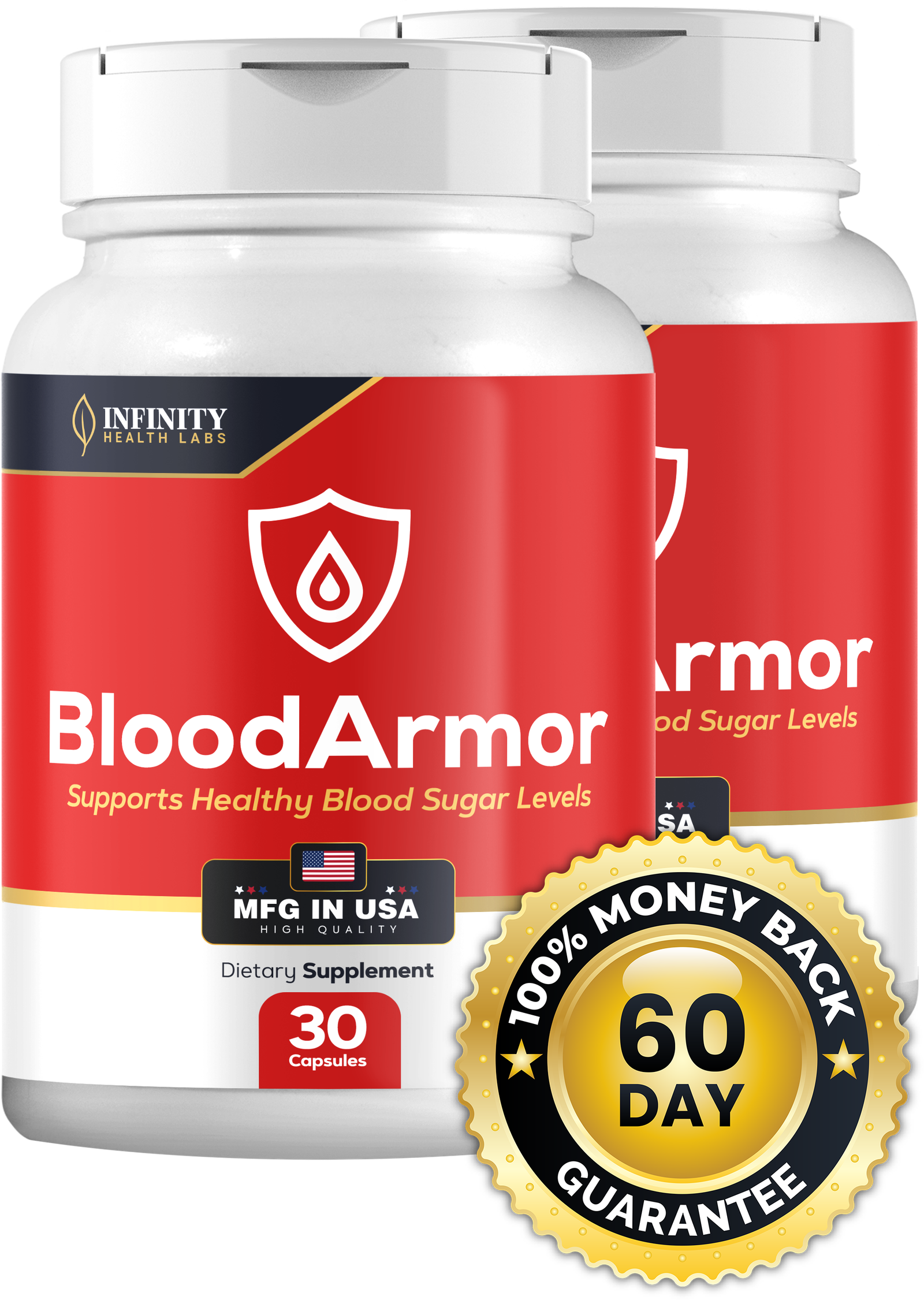
Blood Armor is advertised as a dietary supplement in the blood-sugar wellness category; it is not a replacement for food planning or prescribed care. Evidence for a specific nutrient or botanical does not establish benefit from an unverified finished product. Confirm the current Supplement Facts panel and consider medication interactions before purchasing. The purchase imagery on this page shows merchant-advertised options, not proof of glucose outcomes.
The practical decision is to compare relevant options fairly and recognize the limits of generalized advice. If a decision could affect an existing diagnosis, medication or measured glucose goal, discuss it with the clinical team responsible for that care.
Authoritative sources and related resources
These references provide general clinical, nutritional or regulatory context. They do not independently verify the Blood Armor finished-product claims.
- www.cdc.gov: https://www.cdc.gov/diabetes/healthy-eating/index.html
- www.niddk.nih.gov: https://www.niddk.nih.gov/health-information/diabetes/overview/healthy-living-with-diabetes
- www.nccih.nih.gov: https://www.nccih.nih.gov/health/diabetes-and-dietary-supplements-what-you-need-to-know
Blood sugar supplements guide · Daily wellness habits · MPS Blood Armor research · MenPS product catalog
How to use this guidance responsibly
The best next step is to match a specific question to a credible source: nutritional planning belongs with nutrition guidance, exercise decisions with appropriate physical-activity advice, and treatment questions with clinical care. A product purchase is a separate decision that should consider the actual label, likely interactions and seller terms.
Blood Armor is marketed as a supplement for blood-sugar wellness, but no finished-product clinical benefit is asserted here. The product images and commercial link are intended to help readers evaluate the offer and are not evidence that the supplement changes measured glucose outcomes. Consult a professional when symptoms, pregnancy, chronic conditions or medication use make generic recommendations insufficient.
Blood Armor · Purchase Options
Explore the Offer With Clear Expectations
Compare advertised bottle packages, then review the merchant checkout for current pricing, shipping and refund conditions.
CHECK CURRENT OFFER ↗Affiliate link · Pricing and guarantee wording shown in artwork are merchant advertising and require checkout confirmation.